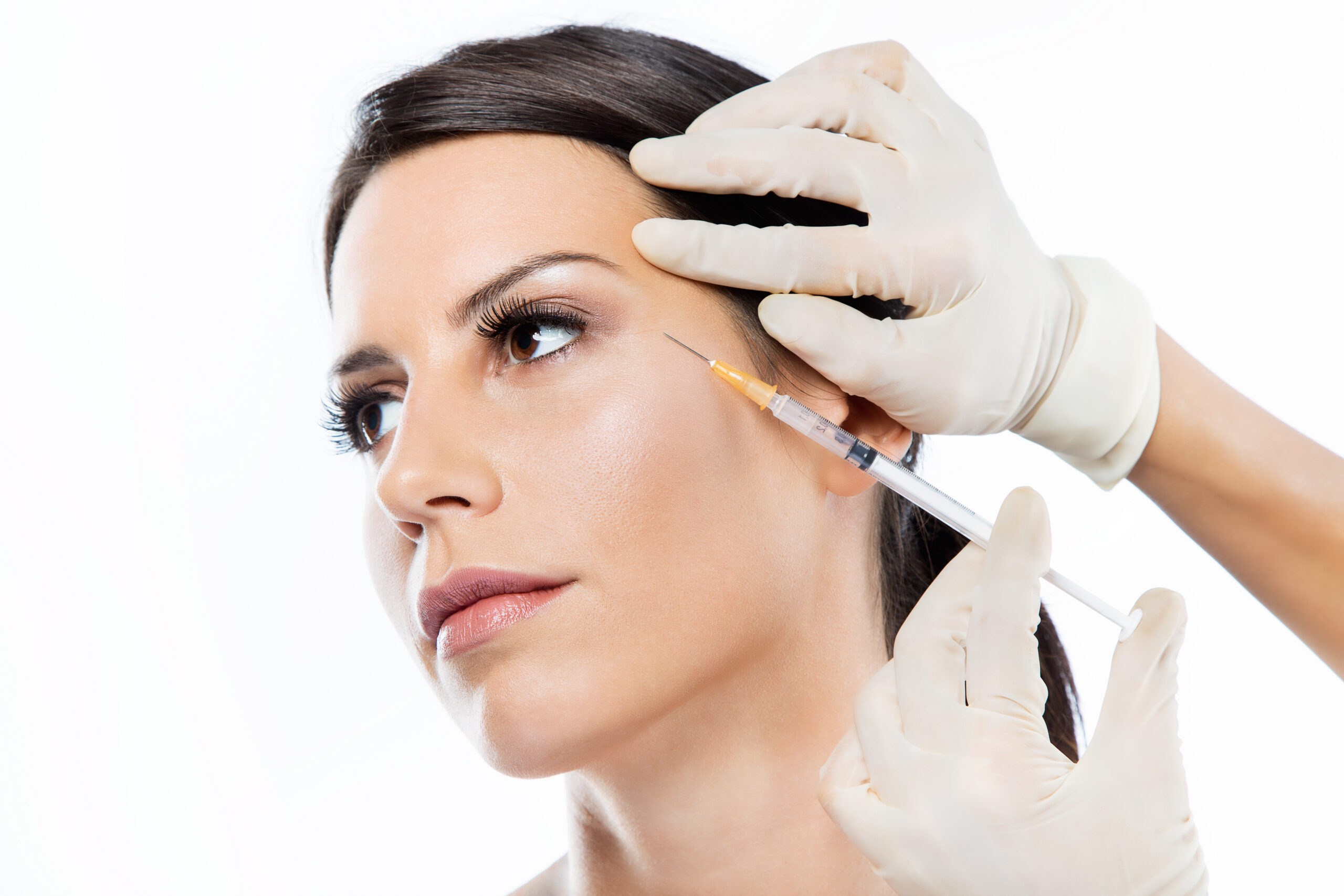

Neurotoxins like Botox, Dysport, and Xeomin relax facial muscles to reduce wrinkles and fine lines. Discover which is right for you. Book a consultation today to learn more!
Botox, Dysport, and Xeomin are all FDA-approved neurotoxins used to smooth expression lines, but they are not identical. Each product has a different formulation, diffusion pattern, onset speed, and ideal use case. If you have had one and want to explore another, or if you are deciding for the first time, this guide breaks down what sets each apart and how Luxe Tranquility providers approach the choice.
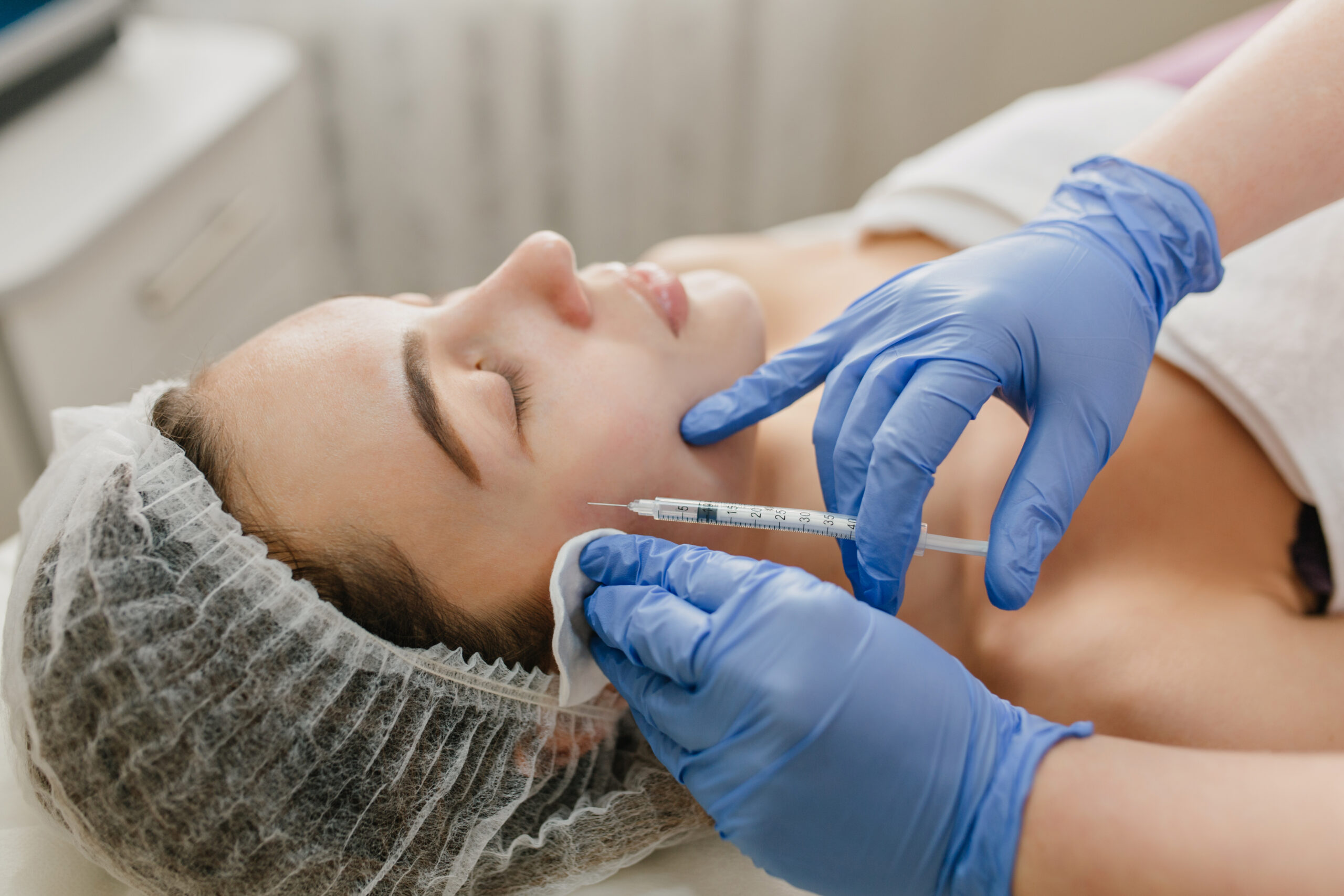
All three products contain botulinum toxin type A, a purified protein that temporarily blocks nerve signals to targeted muscles. When injected, the muscle relaxes, and the overlying skin smooths. The effect is temporary, results fade as nerve signaling gradually returns, which is why most patients return every 3 to 4 months.
The differences between Botox, Dysport, and Xeomin come down to the protein structure surrounding the active toxin, how each formula diffuses through tissue, dosing equivalencies, and how quickly results appear.
Botox (onabotulinumtoxinA) is the original FDA-approved neurotoxin and the most widely recognized name in the category. It uses botulinum toxin type A complexed with accessory proteins, which gives it a slightly heavier molecular weight and a tendency to stay close to the injection site.
This localized behavior makes Botox well-suited for precision treatment areas where diffusion would be undesirable: crow's feet, under-eye lines, lip flip, brow lift, and chin dimpling. Results typically appear within 3 to 7 days and last 3 to 4 months. Some patients with significant muscle mass or prior neurotoxin use find their results last closer to 4 to 5 months with consistent treatment.
Dysport (abobotulinumtoxinA) uses a smaller accessory protein complex, which allows it to diffuse more broadly through tissue after injection. This spreading behavior makes it a strong choice for larger, flatter muscle groups, particularly the forehead, where coverage across a wider area is the goal.
Dysport also tends to have a faster onset than Botox, with many patients seeing results within 2 to 3 days rather than 5 to 7. Duration is comparable at 3 to 4 months, though individual response varies.
Because Dysport is more dilute than Botox, it requires more units to achieve the same effect. The ratio is roughly 2.5 to 3 Dysport units per 1 Botox unit, which is why Dysport pricing is typically lower per unit but requires a higher unit count. Total treatment cost usually comes out similar between the two.
Xeomin (incobotulinumtoxinA) is a purified, or "naked," neurotoxin. Meaning the accessory proteins surrounding the botulinum toxin have been removed. This makes Xeomin the most stripped-down of the three products.
The clinical significance of this is debated, but some providers believe that patients who have built up antibodies to the accessory proteins in Botox or Dysport may respond better to Xeomin because there are no proteins present to trigger an immune response. For most patients, this is not a factor, but for those who feel their previous neurotoxin stopped working as well over time, Xeomin is a reasonable next step to explore.
Xeomin is dosed similarly to Botox on a roughly 1:1 unit basis. Onset is slightly slower than Dysport, typically 3 to 5 days, and duration is comparable at 3 to 4 months. Because Xeomin requires no refrigeration before reconstitution, it has a longer shelf life, but this is a logistics consideration for providers rather than patients.
| Feature | Botox | Dysport | Xeomin |
|---|---|---|---|
|
Onset
|
3 to 7 days |
2 to 3 days (fastest) |
3 to 5 days |
|
Diffusion (Spread) |
Most localized |
Spreads most broadly |
Comparable to Botox |
|
Duration |
3 to 4 months
|
3 to 4 months
|
3 to 4 months
|
|
Usage
|
Best for precision areas: Crow’s feet Lip flip Under-eye Chin |
Best for large areas: Forehead Glabella |
Comparable to Botox |
|
Dosing
|
Baseline
|
2.5 to 3x Botox units
|
Comparable to Botox (1:1)
|
|
Resistance Considerations
|
Possible over time
|
Possible over time
|
First option to try if results from Botox or Dysport have declined over time |
At Luxe Tranquility in Frisco, TX, your provider evaluates your treatment area, muscle strength, previous neurotoxin history, and desired outcome before recommending a product. There is no single best neurotoxin. The right choice depends on what you are treating and how your muscles have responded in the past.
For a first-time patient treating the forehead and frown lines, Dysport is often a strong starting point because of its fast onset and broad coverage. For crow's feet or lip flip where diffusion control matters, Botox or Xeomin is typically preferred. For a patient who has been on Botox for several years and feels results are less consistent, Xeomin is worth exploring.
Luxe Tranquility offers all three products, so your provider can switch between them based on your evolving needs without requiring you to go elsewhere.
All three neurotoxins provide results that last approximately 3 to 4 months for most patients. A few factors influence duration across all three products:
| Factor | How It Affects Results |
|---|---|
|
Muscle Mass
|
Larger, stronger muscles metabolize the toxin faster. |
|
Metabolism |
Patients with faster metabolisms may notice results fading sooner. |
|
Treatment Frequency |
Regular treatment often leads to longer-lasting results over time as the muscle learns to relax. |
|
Sun Exposure
|
UV damage accelerates skin aging and can make results appear to fade faster. |
|
Exercise Habits
|
High-intensity frequent exercise may shorten duration slightly. |
Yes. Switching between neurotoxins is common and safe. Your provider will adjust the unit count to account for the dosing difference between products. Many patients try different neurotoxins to find the one that works best for their anatomy and lifestyle.
Dysport has a lower cost per unit but requires more units than Botox to achieve the same result. The total cost of treatment is usually similar between the two. Xeomin is often priced similarly to Botox on a per-unit basis.
Clinical studies show all three products have comparable durations of 3 to 4 months. Individual results vary based on muscle mass, metabolism, and treatment history. Some patients consistently get longer results from one product over another. This is something to track over a few treatment cycles.
Yes. Xeomin produces equivalent results to Botox in clinical studies. The primary distinction is the absence of accessory proteins, which is most relevant for patients who have developed tolerance to Botox over years of use.
Yes, with some practical differences in best fit. Botox and Xeomin are preferred for precision areas like crow's feet, lip flip, and chin. Dysport is often preferred for broader areas like the forehead. All three treat glabellar frown lines effectively.

Not sure which product is right for you? Book a free consultation at Luxe Tranquility. Our providers will assess your treatment goals, review your history with injectables, and recommend the neurotoxin best suited to your anatomy and outcome.
Call: (469) 777-8858
Book Online: luxetranquility.glossgenius.com
7777 Warren Pkwy, Suite 200, Studio 129, Frisco, TX 75034


Luxe Tranquility is a unique place where you can not only regenerate physically and mentally, but also take care of your beauty and health. We offer services not only in the field of aesthetic medicine but also all kinds of massages and body rituals. Our specialty is laser hair removal.
2026 © Luxe Tranquility. All Rights Reserved

Website Design and SEO by: